

Filter
Blogs
5 results

Demo Admin
How to Read Your Blood Test Results Like a Pro
Receiving your blood test results can be confusing, especially with all the medical terms and numbers. Understanding your results helps you take control of your health—and Laboratoo makes accessing them simple. Each test includes a reference range, which indicates normal values. However, “normal” doesn’t always mean optimal. Your ideal range may vary based on age, lifestyle, and health goals. For example, cholesterol levels within the normal range may still be higher than optimal for heart health. Similarly, vitamin levels can be technically normal but not sufficient for peak performance. It’s important to look at trends over time rather than a single result. Regular testing allows you to track improvements or identify patterns. Always interpret your results in context. Symptoms, medical history, and lifestyle all play a role. Consulting a healthcare professional is recommended for accurate interpretation. Laboratoo allows you to store and access your reports in one place, making it easier to track your health over time. Understanding your results transforms you from a passive patient into an informed decision-maker. And that’s the future of healthcare.

Demo Admin
D-Dimer Test for Clot Detection: When Should You Be Concerned?
Imagine blood silently pooling into dangerous clots deep within veins, threatening sudden strokes or breath failures. The D Dimer test emerges as a vital frontline defender, spotting breakdown fragments swiftly through a simple blood draw. Patients nationwide seek D Dimer test cost details, discovering affordable rates from 500 rupees that deliver rapid clarity.This essential screen guides doctors precisely when symptoms like leg swells or chest pain arise. Discover exactly when elevated results demand urgent action in this detailed guide.Clot Secrets Blood Whispers to D-Dimer TestBlood flows smoothly until clots form and block paths. The D Dimer test measures clot breakdown pieces in blood. High levels signal recent clot activity somewhere in the veins or lungs. Labs run this test swiftly from a vein draw. Results arrive within hours, guiding next moves. D Dimer test cost hovers low, making it accessible for routine checks.When D-Dimer Test Cost Pays Off Big?Budget worries hit hard during health scares. D Dimer test cost averages 500 to 1500 rupees, depending on the city labs. Private centers charge more for speed while government spots keep fees minimal. Insurance often covers it fully after a doctor’s referral.D Dimer test cost drops further in walk-in setups versus home collections. Worth every penny when it rules out dangers fast. Peace of mind follows low bills and quick verdicts.Spotting Clot Signs Before D-Dimer Test CallsLegs swell painfully after long flights or bed rest. Chest tightens with coughs during deep breaths signaling lung issues. Sudden calf tenderness screams deep vein thrombosis risks. Shortness of breath pairs with rapid heartbeats in pulmonary embolism fears. Headaches persist alongside vision blur from rare clot travels. Doctors pair symptoms with D Dimer test cost checks for smart starts.D-Dimer Test Thresholds That Trigger WorryNumbers tell tales louder than words ever could. Levels above 500 ng/mL spark doctor brows to furrow. Age tweaks cutoffs higher for seniors over 50. Cancer patients see baselines shift upward naturally. Recent fractures or infections mimic clot signals pushing readings skyward. Low scores under 250 ng/mL calm nerves instantly. Clarity emerges from patterns not isolated highs. Key Threshold Pointers:● Under 500 ng/mL: Green light for most adults.● 500-1000 ng/mL: Investigate symptoms closely.● Over 1000 ng/mL: Urgent scans follow fast.Step-by-Step D-Dimer Test Journey ExplainedPrep starts simple with fasting off the table.Step 1: Visit the lab or book a home draw early in the morning.Step 2: Tech draws arm blood into a special tube gently.Step 3: Sample spins in machine detecting fragments precisely.Step 4: Report emails within 2-4 hours typically.Step 5: Doctor reviews against symptoms prescribing ultrasounds if high.D Dimer test cost includes all these seamlessly. Patients relax post-draw, resuming days normally. Follow-ups refine treatments based on drops. The entire process feels routine yet life saving.Pregnancy and D-Dimer Test ConsiderationsBellies grow as clot risks climb quietly. Natural highs from placenta breakdown confuse readings. D Dimer test guides safely when symptoms scream. Thresholds rise to 1000 ng/mL safely for moms-to-be. D Dimer test cost remains budget-friendly even frequently. Serial checks monitor stability through trimesters. Bed rest or travel spikes demand vigilance. Healthy deliveries follow informed watches closely.Post-Surgery D-Dimer Test MonitoringKnives close wounds, yet clots lurk inside. Surgeons order D Dimer tests on day one post-op. Peaks predict troubles before pain erupts. Drops signal healing paths clearly. D Dimer test cost fits recovery budgets neatly. Weekly runs track progress homebound. Infections mimic rises needing separation. Patients heal faster, spotting issues early. Vigilance turns scars into stories of strength.D-Dimer Test Versus Imaging ShowdownsUltrasounds visualize clots directly yet miss distant ones. CT scans blast radiation for lung peeks is costly. D Dimer test screens cheaply, first ruling out most. Positives funnel to imaging precisely. D Dimer test cost saves thousands in avoided scans. Combo approaches sharpen diagnoses daily. No single tool reigns supreme alone. Smart sequencing preserves health wallets intact.ConclusionAffordable D Dimer test cost opens doors wide for all. Symptoms scream and demand action immediately. Tests guide treatments, turning fears to triumphs. Families reunite healthier post-scares. Doctors celebrate lives extended daily.Stay vigilant because health stories rewrite happy endings. Clot fears dissolve under informed steps forward. Live boldly with facts fueling every breath.
Demo Admin
When Should You Get a Liver Function Blood Test Done?
Liver is the most vital organ in the human body and maintaining it against damage is quite essential. A healthy liver can help the body to produce essential proteins and regulate cholesterol levels. Any damage to the liver can impact your overall health in the long term. To ensure your liver stays healthy, undergoing the liver function tests can help in long-term.The liver function blood test evaluates the liver's health and function, which helps prevent the spread of infectious diseases like malaria, TB, and hepatitis. In this blog, we present you with the insight into why you should undergo the liver function blood test.What is a Liver Function Test?Liver function blood test is a series of blood tests assisting medical professionals in evaluating the health of the liver and its capacity to carry out essential tasks such as generating bile for digestion, metabolic activities, protein synthesis, and blood purification from waste and toxins. Some of the common tests are- Bilirubin, albumin and total protein, gamma-glutamyl transferase (GGT), aspartate transaminase (AST), alanine transaminase (ALT), and alkaline phosphatase (ALP).With this test, the medical professional can detect any hidden issues that are further hampering your health condition. A skilled nurse or phlebotomist will take a tiny sample of blood from a vein in your arm as part of the straightforward LFT procedure.When to undergo the Liver Function Blood Test?Different hidden liver conditions may not show any symptoms. However, some symptoms should never be ignored. Some of the events when you need to undergo the LFT:Persistent fatigue or weaknessYellowing of the skin or eyes (jaundice)Dark urine or pale stoolsAbdominal pain or swellingNausea, vomiting, or loss of appetiteBesides, there are high-risk groups who may also consider undergoing LFT.Alcohol Consumption HistoryRegular monitoring is crucial because excessive alcohol use can eventually cause liver damage.Autoimmune Diseases or Liver DisordersLFTs may be necessary for those who have previously been diagnosed with autoimmune hepatitis or liver diseases like hepatitis to track the course of their illness.Individuals With a History of Liver Disease in Their FamilyRegular examinations might identify early warning indicators if liver disease runs in your family.Medication UseYour liver may be strained by some over the counter or prescription medications. To evaluate possible liver damage, long-term users should think about doing LFTs regularly.Different Types of Liver Function TestsUnder the liver function test, numerous tests assess inflammation, damage, injury, and liver function. These tests fall into two general categories: liver enzyme tests and function tests.Different Function Tests:Serum Albumin Test: The serum albumin test quantifies the amounts of albumin, a blood protein. Abnormal liver function may be indicated by low albumin levels.Serum Bilirubin Test: This test measures the blood's bilirubin levels. The liver produces bilirubin, which is expelled in bile. Elevated bilirubin levels may be a sign of an obstruction in the bile flow or a problem with the liver's ability to handle bile.Serum Globulin Test: The serum globulin test measures globulin protein levels. High levels can be a sign of everything from cancer and autoimmune disorders to dehydration, infections, and inflammation, while low levels might be a sign of liver illness.Different Live Enzyme TestsBlood levels of Alanine Transaminase (ALT) are measured. When acute liver cell damage occurs, the ALT enzyme, which is mostly present in the liver, is released into the blood.Aspartate Transaminase (AST): Determines blood AST levels. Elevated AST levels could be a sign of acute liver cell injury or other liver issues.Serum Alkaline Phosphatase Test (ALP): This test detects liver lesions or evaluates liver function by measuring the levels of the alkaline phosphatase enzyme.How is Liver Function Test Interpreted?The liver function blood test is conducted to examine abnormal levels of proteins and enzymes. The patient's general health and other considerations must be taken into consideration while interpreting the result. Because of this, it is essential to discuss the LFT results with one's physician so they can provide an accurate diagnosis, recommend additional tests if necessary, and develop a treatment strategy.LFT Test PriceThe LFT test price depends on the city, type of test, and package you are choosing. You can go for the package that covers the test and other aspects. You can check with the nearest lab to know the lft test price and the overall service offered.ConclusionUnderstanding when to undergo the live function blood test can significantly improve your general health. Timely testing enables early intervention and improved results, whether it is part of a regular examination, triggered by symptoms, or advised because of lifestyle or health-related issues.

Demo Admin
How to Choose the Best Full Body Checkup Package for Women?
When a woman crosses a certain age, her body starts showing changes. Be it due to pregnancy, postpartum or menopause, there are different reasons for these changes. Moreover, lifestyle changes and hormonal fluctuations can also result in health issues. Some of the health risks women faces are thyroid disorders, diabetes, PCOS, breast cancer, and heart disease. Full body checkup for female is one way of taking a long-term wellness step.This article presents you with health checkup packages for women that can help in making a good decision for a healthy lifestyle.Tips to Choose Full Body Checkup Package for WomenUnderstanding Women-Specific Health Checkup Packages ImportanceEven though women have distinct physiological needs and are more susceptible to specific illnesses, many health packages are generic in nature. A women health package includes tests customized to female health problems, such as:Thyroid problemsScreening for cervical and breast cancerFertility issuesWomen frequently suffer from vitamin deficiencies. Selecting health checkup package made especially for women guarantees that you won't overlook important tests.Considering Tests as per the Age GroupFull body checkup for female also depends on the age group. You need to consider test as per your age. Here are some tests -For women in 20s-30sFor women who are in their 20s and 30s, can undergo below mentioned tests-CBC (Complete Blood Count)Thyroid profileHormonal testsPap smearUltrasound pelvisBlood sugar levelsVitamin D & B12For women in their 40sWomen who are in their 40s can face multiple health issues as they age. Here are some of the tests to undergo-Mammography or breast ultrasoundECGLiver & kidney function testsHbA1cBone density testEvaluating Lifestyle and Family HistoryUnlike men, women face more physical and mental stress, especially working professionals who also need to take care of their homes. Some of the lifestyle factors to consider for a full body checkup are-A sedentary lifestyle increases the risk of diabetes, obesity, and PCOD.High-stress jobs increase the risk of hormone imbalance and hypertension.Unusual eating patterns lead to nutritional shortages and stomach problems.Sleep deprivation causes immunological problems and hormone imbalances.Family HistoryThe test also considers the family history of the woman patient. Some of the issues could beHeart DiseaseDiabetesThyroid DisordersImportance of Full Body Checkup for FemaleUndergoing routine health tests helps in many ways for a woman. A thorough examination helps to undermine dangerous medical disorders before they go undetected and worsen. Many health experts advise that girls, when they reach their age of 21, should undergo Pap exams every three years.Early detection increases the likelihood of recovery and lowers medical expenses. These routine examinations assist medical professionals in identifying health problems in advance.How often should women undergo health checkups?Generally, women crossing 21 should start taking health tests. From blood pressure to other issues can come up during such a period. Here is the list of time when women should undergo health checkups.Women aged between 18 and 39 should get their blood pressure checked every three to five years.Mammograms should start at age 40 for those without a family history. It will help in getting a better picture and avoid any future issues.By the age of 45, women without established risk factors for heart disease should get their cholesterol checked.At age 35, screening for type 2 diabetes and prediabetes becomes essential.The frequency of these examinations depends on age. Every two years, women under 30 should get their health evaluated. After the age of fifty, screenings must be done twice a year due to age-related risk factors.Due to their lifestyle choices, physical issues, or family history, some women require more frequent checks. The screening program for each woman should be tailored to her specific medical requirements.ConclusionSince health is the most essential thing and we must do everything in our power to maintain and balance it. The top women health package is crucial for women so that they can take preventative measures even if they have some signs of a sickness or illness. Like men, women also suffer from health issues that can create long-term issues.A complete womens health package guarantees early detection, supports hormonal balance, keeps an eye on important organs, and protects long-term health. Select a health checkup package that provides comprehensive, trustworthy, and individualized health information rather than the one that is the most affordable or well-marketed.
Demo Admin
Iron Deficiency Profile Test: A Complete Guide
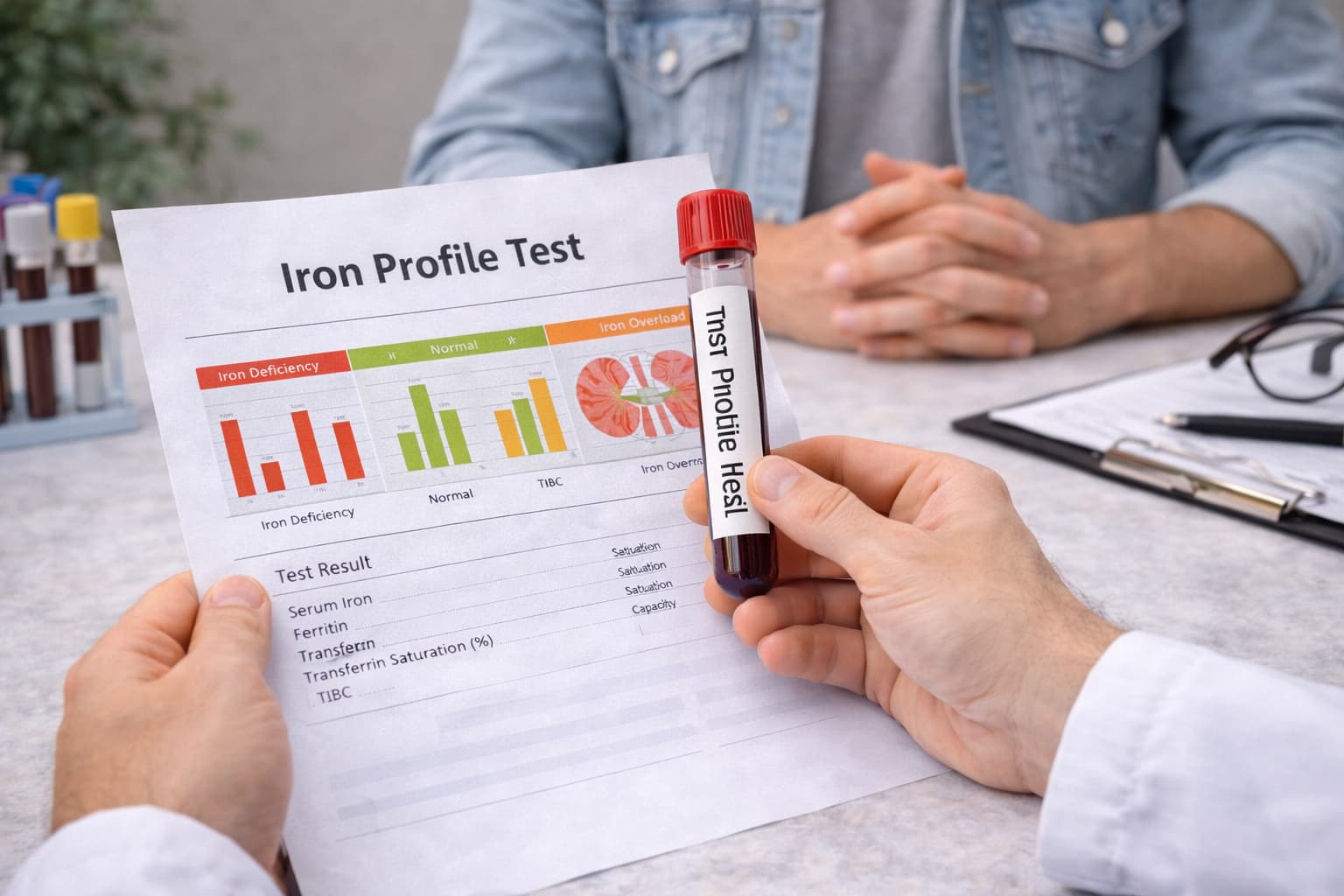
The role of iron in the human body is to transport oxygen throughout the body. Maximum oxygen in the body helps with energy production and boosts immunity. However, any iron deficiency can invite severe illnesses and other health issues. If you feel weak or experience any unusual symptoms in the body, undergoing the iron profile test is the best way. This blood test helps you get a detailed picture of the overall condition of the body and how iron is absorbed and utilized in the body. This article presents you with the complete insight into the importance of iron in the body and the iron deficiency profile test.What is an Iron Deficiency Profile Test?The iron deficiency profile test gauges several indicators of iron in your body. This test does more than just measure iron levels in the blood. To provide your doctor with a comprehensive picture of your iron status and the effectiveness with which your body is storing and utilizing this vital mineral, the iron profile test list usually consists of several components, including:Iron SerumFerritinIron-Binding Capacity Total (TIBC)Iron-Binding Capacity Without SaturationFor pregnant women, this test is like round-the-clock monitoring to get a better picture of the children's growth.Understanding the Components of Iron Deficiency TestThere are several key components of Iron Deficiency Test. Some of these are-IronThe test measures how much iron is present in your blood during the test. For men, normal levels are usually 60–170 micrograms per deciliter (mcg/dL), whereas for women, they are 50–150 mcg/dL.Total Iron Binding Capacity, or TIBCThe TIBC blood test measures the ability of your blood to bind and transport iron. It indicates the amount of transferrin present in your blood. The usual range for the total iron binding capacity test is 250–450 mcg/dL. Unsaturated Iron Binding Capacity, or UIBCThe UIBC test indicates the amount of transferrin that isn't currently transporting iron. To put it another way, it displays the reserve capacity to transport more iron. Serum iron is subtracted from TIBC to determine the unsaturated iron binding capacity.TSAT, or Transferrin SaturationOne of the most informative tests for your iron profile is the transferrin saturation test. Serum iron is divided by TIBC, and the result is multiplied by 100. The amount of iron that is truly present in your transferrin is shown by this percentage. Usually, saturation ranges from 20 to 50%. Iron overload disorders like hemochromatosis may be indicated by high saturation (over 50%), whereas low saturation (below 20%) shows iron insufficiency.Who should undergo the iron deficiency profile test?The iron deficiency profile test is recommended for those who experience-Regular weaknessShortness of breathAnaemia symptoms in pregnant womenGrowth retardation in childrenUnderstanding the Test ResultOnce the test result is out, below is how it is interpreted.Men- 65-176ng/mlFemale- 50-170ng/mlFerritin- 20-200ng/mlIt is essential to get the interpretation of the test result correct, ensuring the right medication to avoid any further health implications.Understanding the Importance of Early Iron Deficiency TestEarly detection of iron deficiency can help you prevent complications, including heart strain, reduced cognitive performance, and severe anemia. The test result helps with timely treatment and dietary changes.Iron Profile Test PriceOne of the common concerns patients usually have been the iron profile test price. The price depends on multiple parameters, including city, diagnostic center, and hospital/clinic.The average iron profile test price in India can be moderate, making it affordable for patients who want to undergo the test. This test is included in many diagnostic labs offered in health packages, which can lower the cost of the iron profile test even further.Although home sample collection services enhance convenience, particularly for senior patients, they may slightly raise the iron profile test price. When compared to private facilities, government hospitals and diagnostic institutes frequently offer the test at a lower cost.It's crucial to understand that the turnaround time, lab accreditation, and testing technology can all affect the iron profile test price. Partial panels may seem less expensive but offer insufficient information, so always make sure the price includes all components, such as ferritin and TIBC. You may locate the most affordable iron profile test without sacrificing accuracy by comparing labs.Final ThoughtsThe iron deficiency profile test helps to get a complete insight into the iron status. Doctors can develop precise diagnoses and individualized treatment programs by combining the evaluation of many characteristics. For long-term health, selecting a reputable lab and scheduling testing on time are significantly more crucial than the cost of the iron profile test. Ask your doctor if this test is appropriate for you if you have iron deficiency symptoms or are in a high-risk group.